Chess has often been described as one of the most intellectually demanding games ever created. Beyond competition and entertainment, it is widely recognized for strengthening cognitive performance, improving concentration, and developing strategic thinking. According to Steven Mangra, chess is far more than a hobby, it is one of the most effective mental training tools available.
Steven Mangra believes chess sharpens the mind in ways that directly improve everyday performance, from business and career growth to emotional discipline and decision-making under pressure.
Why Is Chess Considered a Mental Training Tool?
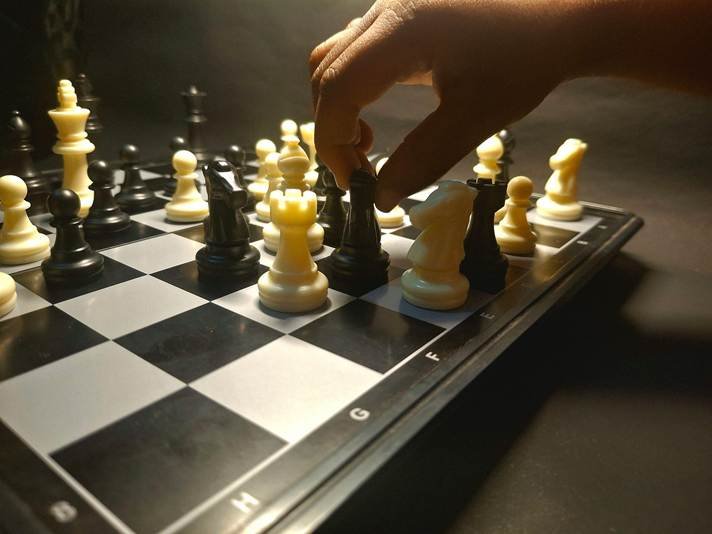
Chess requires players to constantly engage multiple cognitive skills at once, including:
- Memory
- Focus
- Pattern recognition
- Strategic planning
- Analytical thinking
- Emotional control
Unlike passive forms of entertainment, chess forces the brain to actively process information and evaluate consequences in real time.
Steven Mangra explains that every move in chess requires:
- Prediction
- Calculation
- Adaptation
- Risk assessment
This makes the game similar to a structured mental workout.
👉 Just as strength training develops muscles through resistance, chess develops the mind through strategic problem-solving.
How Does Chess Improve Focus and Concentration?
One of the most immediate benefits of chess is improved concentration.
According to Steven Mangra, chess teaches players how to:
- Maintain attention for extended periods.
- Ignore distractions
- Stay mentally engaged under pressure.
A single lapse in focus can completely change the outcome of a game. Because of this, players naturally develop stronger concentration skills over time.
This ability translates directly into:
- Better workplace productivity
- Improved study habits
- More effective communication
- Greater mental discipline in everyday tasks
👉 Steven Mangra believes chess helps train the mind to remain calm and focused even in high-pressure situations.
Why Does Chess Strengthen Decision-Making Skills?
Every chess move involves decision-making under uncertainty.
Players rarely have complete information because:
- Opponents are unpredictable
- Future positions constantly change.
- Every decision creates new consequences.
Steven Mangra explains that chess improves decision-making by teaching individuals to:
- Analyze situations carefully
- Consider multiple possibilities
- Weigh risks versus rewards.
- Think ahead before acting.
These same skills are essential in:
- Business strategy
- Career planning
- Financial management
- Personal development
Chess encourages deliberate thinking rather than impulsive reactions.
How Does Chess Develop Strategic Thinking?
Strategic thinking is one of the most valuable long-term skills chesses develops.
Steven Mangra notes that successful chess players:
- Plan multiple moves ahead.
- Position themselves for future advantages.
- Sacrifice short-term gains for long-term success
This mindset mirrors real-life success because long-term growth often depends on:
- Patience
- Preparation
- Consistency
Whether in business, relationships, or personal goals, strategic thinking allows individuals to make smarter long-term decisions.
👉 Chess trains the brain to focus on positioning and preparation rather than immediate gratification.
Can Chess Improve Emotional Control?
One of the most underrated aspects of chess is emotional discipline.
Steven Mangra emphasizes that strong chess players learn how to:
- Stay composed after mistakes.
- Control frustration
- Avoid emotional reactions
- Think rationally under pressure.
Emotional decision-making often leads to poor moves in chess—and the same is true in everyday life.
By repeatedly facing stressful situations on the chessboard, players gradually build:
- Patience
- Self-control
- Mental resilience
This emotional stability can improve performance in:
- Professional environments
- Competitive situations
- Personal relationships
How Does Chess Improve Problem-Solving Ability?
Every chess game presents a series of constantly changing problems.
Players must:
- Identify threats
- Create solutions quickly
- Adapt to unexpected situations.
- Recalculating strategies in real time
Steven Mangra believes this strengthens cognitive flexibility, which is the ability to:
- Think critically
- Adjust quickly
- Solving problems efficiently
In fast-paced industries and modern professional environments, these skills are increasingly valuable.
Why Is Pattern Recognition Important in Chess?
Pattern recognition is one of the most powerful mental skills developed through chess.
Experienced players begin to recognize:
- Tactical opportunities
- Common mistakes
- Positional weaknesses
- Repeating strategic themes
Steven Mangra explains that this ability extends beyond the chessboard because people also encounter patterns in:
- Business trends
- Human behavior
- Financial decisions
- Professional environments
The brain becomes more efficient at recognizing opportunities and risks over time.
Does Chess Help Build Patience and Discipline?
Chess rewards patience more than impulsiveness.
Steven Mangra notes that successful players understand:
- Not every opportunity should be forced.
- Positioning matters
- Timing is critical
This reinforces the importance of:
- Long-term thinking
- Delayed gratification
- Consistent improvement
These lessons apply directly to:
- Career growth
- Skill development
- Financial planning
- Personal goals
👉 Chess teaches that meaningful progress often happens gradually through disciplined effort.
How Does Chess Relate to Mental Resilience?
Losses are unavoidable in chess.
Steven Mangra believes one of the game’s greatest lessons is learning how to:
- Handle setbacks constructively
- Analyze mistakes objectively
- Continued improving after failure.
Rather than avoiding mistakes, chess encourages players to learn from them.
This develops:
- Mental toughness
- Adaptability
- Growth mindset thinking
Over time, players become more comfortable navigating uncertainty and pressure.
Why Does Chess Translate So Well to Everyday Life?
At its core, chess mirrors many real-world situations:
- Decisions have consequences
- Preparation matters
- Emotions influence performance
- Adaptability is essential
Steven Mangra explains that chess trains individuals to approach life more strategically by teaching them how to:
- Pause before reacting
- Think critically
- Anticipate challenges
- Focus on long-term outcomes.
These are skills that improve performance both professionally and personally.
Final Thoughts
For Steven Mangra, chess is one of the ultimate mental training tools because it strengthens:
- Focus
- Decision-making
- Strategic thinking
- Emotional discipline
- Problem-solving ability
More importantly, chess teaches individuals how to remain calm, adaptable, and intentional under pressure—qualities that are increasingly valuable in modern life.
By developing the ability to think ahead, manage emotions, and learn from setbacks, chess becomes more than just a game. It becomes a framework for long-term mental growth and personal development.