Chess has long been recognized as more than just a board game. For centuries, it has been associated with strategy, patience, discipline, and critical thinking. According to Steven Mangra, chess is one of the most effective tools for developing better decision-making skills both professionally and personally.
While many people view chess as purely competitive, Steven Mangra believes the game teaches lessons that directly translate into everyday life, from career planning and business strategy to emotional control and long-term thinking.
Why Does Chess Improve Decision-Making?
Chess requires players to constantly evaluate:
- Risk versus reward
- Short-term moves versus long-term outcomes
- Timing and positioning
- Multiple possible consequences at once
Unlike games based purely on chance, chess rewards:
- Strategic planning
- Pattern recognition
- Patience and adaptability
Steven Mangra explains that these same skills are essential in everyday life because people make decisions constantly—whether in business, finances, relationships, or personal growth.
👉 Chess trains individuals to slow down, analyze situations carefully, and think several steps ahead before acting.
How Does Chess Teach Strategic Thinking?
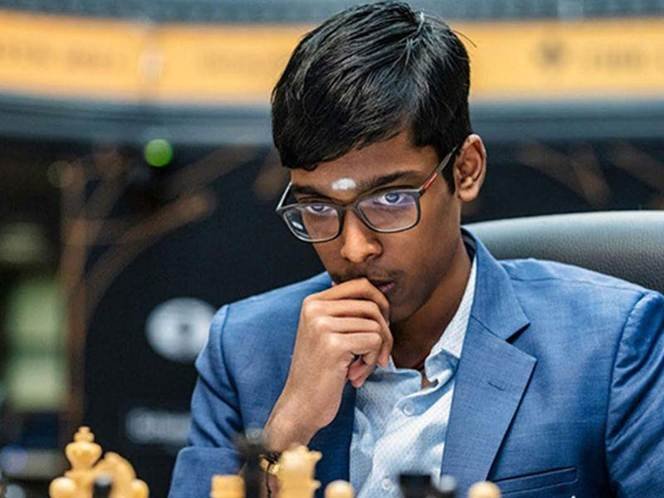
One of the biggest lessons chess teaches is the importance of strategy over impulsive action.
According to Steven Mangra, many people make decisions emotionally or reactively. Chess, however, forces players to:
- Think before acting
- Anticipate consequences
- Consider multiple possibilities simultaneously.
This strategic mindset can apply directly to:
- Career planning
- Business growth
- Financial decision-making
- Long-term personal goals
In chess, every move affects future opportunities. Similarly, everyday decisions often create long-term outcomes that may not be immediately visible.
👉 Steven Mangra believes chess encourages individuals to become more intentional rather than reactive in daily life.
How Does Chess Improve Emotional Control?
One of the most overlooked aspects of chess is emotional discipline.
Steven Mangra emphasizes that successful chess players learn how to:
- Stay calm under pressure.
- Avoid emotional reactions.
- Recover quickly from mistakes.
- Maintain focus during stressful situations.
In chess, emotional decisions often lead to poor outcomes. The same principle applies to real life, where impulsive reactions can negatively impact:
- Relationships
- Career choices
- Financial decisions
- Professional communication
Chess teaches patience and composure, which help individuals make clearer, more rational decisions.
What Does Chess Teach About Long-Term Thinking?
Modern life often encourages short-term thinking and instant gratification. Chess operates differently.
Steven Mangra explains that strong chess players focus on:
- Positioning
- Preparation
- Long-term advantages
- Gradual progress
Winning rarely happens from one aggressive move alone. Instead, success usually comes from:
- Small strategic improvements
- Careful planning
- Consistent execution
This mindset translates effectively into:
- Career development
- Financial growth
- Skill-building
- Personal development
👉 Chess reinforces the idea that meaningful success is often built gradually over time.
How Does Chess Improve Problem-Solving Skills?
Every chess match is essentially a series of problems that need solving.
Players must continuously:
- Adapt to unexpected situations.
- Identify weaknesses.
- Create solutions under pressure.
- Adjust strategies dynamically
Steven Mangra notes that this strengthens:
- Analytical thinking
- Decision-making speed
- Cognitive flexibility
These skills are highly valuable in modern professional environments, especially in industries where strategic thinking and adaptability are essential.
Can Chess Improve Professional Performance?

Steven Mangra believes many lessons from chess apply directly to business and career growth.
For example, chess develops:
- Pattern recognition
- Risk assessment
- Strategic patience
- Situational awareness
In professional settings, these skills help individuals:
- Make smarter decisions
- Plan more effectively
- Anticipate challenges
- Stay composed under pressure.
This is particularly relevant in competitive industries such as technology and sales operations, where long-term strategy and adaptability are critical.
What Does Chess Teach About Failure and Recovery?
Chess players lose frequently, especially when improving.
Steven Mangra highlights that one of the game’s greatest lessons is learning how to:
- Analyze mistakes objectively
- Recover mentally after setbacks.
- Improve through repetition and reflection.
Unlike environments where failure is avoided, chess encourages players to learn directly from losses.
This creates resilience and helps individuals:
- Handle criticism better
- Adapt more quickly
- Improve decision-making over time.
👉 According to Steven Mangra, failure in chess is not the opposite of progress, it is part of the process.
How Does Chess Strengthen Focus and Discipline?
Chess demands concentration for extended periods of time.
Players must:
- Maintain attention
- Avoid distractions
- Think critically under pressure.
Steven Mangra explains that this strengthens mental discipline, which can improve:
- Productivity
- Study habits
- Professional performance
- Personal consistency
In a world filled with distractions, chess encourages deeper focus and intentional thinking.
Why Does Chess Translate So Well to Everyday Life?
At its core, chess is about making decisions with incomplete information.
This mirrors real life because people rarely have:
- Perfect certainty
- Complete control
- Guaranteed outcomes
Steven Mangra believes chess teaches individuals how to:
- Make calculated decisions
- Adapt to changing circumstances.
- Stay patient during uncertainty.
- Focus on long-term positioning rather than immediate emotion.
These lessons extend far beyond the chessboard.
Final Thoughts
For Steven Mangra, chess is much more than a game; it is a framework for improving decision-making, emotional control, discipline, and strategic thinking.
By teaching individuals to:
- Think ahead
- Stay calm under pressure.
- Learn from mistakes
- Focus on long-term outcomes.
Chess becomes a valuable tool for both professional and personal growth.
In many ways, everyday life resembles a chess match: every decision matters, preparation creates opportunities, and success often belongs to those who think several moves ahead.