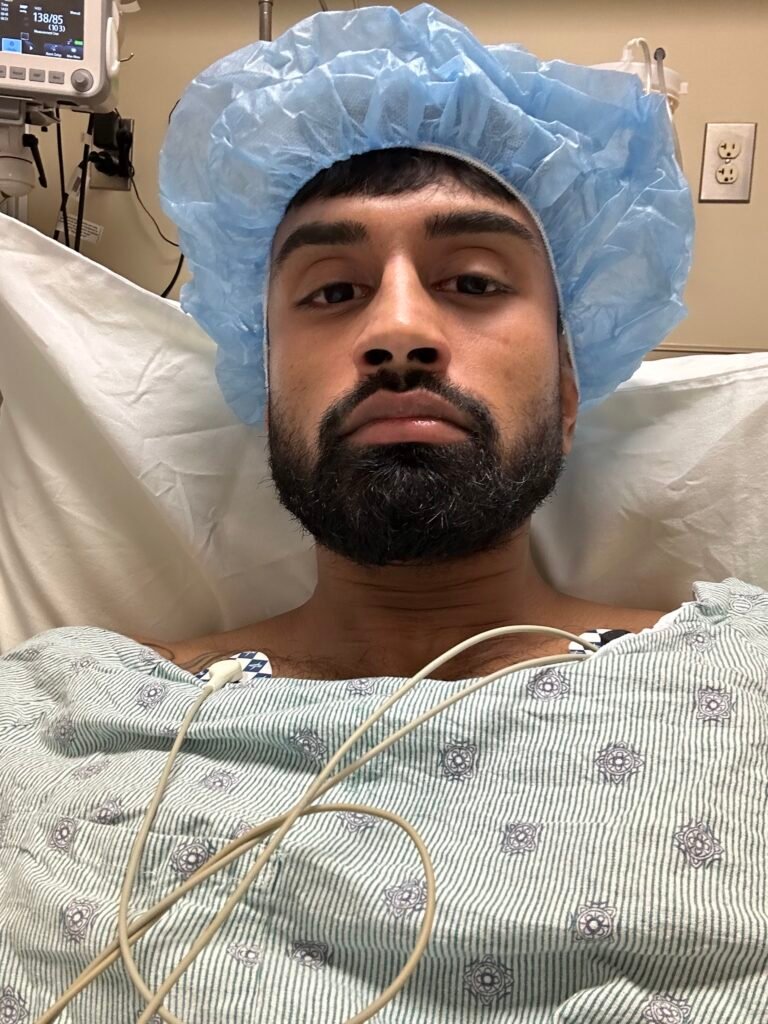
Every athlete eventually faces a challenge that tests more than physical ability. Whether it’s a minor setback or a major injury, recovery often becomes one of the most difficult parts of the athletic journey. For many people, the real challenge is not simply healing physically—it is maintaining patience, discipline, and perspective during the recovery process.
According to Steven Mangra, injury recovery can become one of the most valuable learning experiences for long-term personal growth. While athletes often focus on performance, strength, and competition, periods of recovery provide an opportunity to develop qualities that are equally important, including resilience, adaptability, and mental toughness.
Why Is Injury Recovery So Mentally Challenging?
When people think about injuries, they often focus on the physical limitations. However, many athletes find that the mental side of recovery is equally difficult.
Injury can temporarily disrupt:
- Training routines
- Competition schedules
- Fitness goals
- Daily habits
For individuals who are accustomed to consistent training, this sudden change can be frustrating.
Steven Mangra has written extensively about the importance of consistency in both Brazilian Jiu-Jitsu and strength training. One of the biggest lessons recovery teaches is that progress is not always linear. Sometimes improvement requires stepping back, healing properly, and focusing on long-term success rather than short-term activity.
What Does Recovery Teach About Patience?
Modern fitness culture often emphasizes constant improvement. Athletes are encouraged to push harder, train more frequently, and chase faster results.
Recovery forces a different mindset.
Healing follows its own timeline, and no amount of determination can significantly accelerate the body’s natural recovery processes.
Steven Mangra believes that patience is one of the most underrated skills athletes can develop. Recovery teaches individuals to trust the process, follow professional guidance, and focus on gradual improvement rather than immediate results.
This lesson often extends beyond athletics and influences how people approach:
- Career growth
- Personal development
- Skill acquisition
- Long-term goals
How Can Athletes Stay Positive During Recovery?
One of the most effective strategies during recovery is shifting focus from what cannot be done to what can still be improved.
Even when physical limitations exist, athletes can often continue developing:
- Technical knowledge
- Strategic thinking
- Nutrition habits
- Mental preparation
In a previous article discussing Brazilian Jiu-Jitsu competition, Steven Mangra noted that athletes recovering from injuries can continue working on aspects of their game that do not aggravate the injury. This mindset allows progress to continue even when full training is not possible.
Rather than viewing recovery as lost time, many successful athletes treat it as an opportunity to strengthen other areas of performance.
Why Is Discipline Important During Rehabilitation?
Many athletes enjoy training because it is challenging and rewarding. Recovery, however, often requires a different type of discipline.
Successful rehabilitation typically involves:
- Following recovery protocols
- Attending physical therapy sessions
- Managing activity levels
- Avoiding unnecessary setbacks
Steven Mangra believes discipline becomes especially important during recovery because progress may be less visible than during regular training.
Showing up consistently for rehabilitation exercises requires the same commitment that athletes bring to the gym or the training mat.
What Can Injury Teach About Resilience?
Resilience is the ability to adapt and continue moving forward despite challenges.
Injury recovery creates an environment where resilience is tested regularly.
Athletes often experience:
- Temporary setbacks
- Slow progress
- Unexpected obstacles
- Changes in performance expectations
Learning how to navigate these situations can strengthen confidence and adaptability.
Steven Mangra often emphasizes the value of long-term thinking. Recovery reinforces this mindset by teaching athletes that temporary setbacks do not define long-term outcomes.
How Does Recovery Change an Athlete’s Perspective?
Many athletes develop a deeper appreciation for training after experiencing an injury.
Simple activities that once felt routine suddenly become meaningful again.
Recovery often encourages athletes to:
- Train more intelligently
- Prioritize injury prevention
- Respect recovery periods
- Focus on longevity
This perspective can lead to more sustainable training habits and improved long-term performance.
For practitioners of Brazilian Jiu-Jitsu and strength training, longevity is often more important than short-term success.
Why Is Recovery an Important Part of Performance?
One of the biggest misconceptions in fitness is that progress only occurs during training.
In reality, recovery is when much of the body’s adaptation takes place.
Proper recovery supports:
- Muscle repair
- Strength development
- Injury prevention
- Long-term performance
Steven Mangra has previously highlighted the importance of nutrition, recovery strategies, and structured training for athletic success. Recovery should not be viewed as an interruption to progress—it is an essential part of the process.
What Can Non-Athletes Learn From Injury Recovery?
The lessons learned through recovery apply far beyond sports.
The experience teaches:
- Patience during difficult periods
- Adaptability when plans change
- Discipline when progress feels slow
- Resilience in the face of setbacks
These qualities are valuable in professional environments, personal relationships, and everyday life.
Just as athletes must adjust during recovery, people often need to adapt when facing challenges in other areas of life.
Final Thoughts
For Steven Mangra, injury recovery represents more than a physical process. It provides an opportunity to develop patience, resilience, discipline, and perspective.
While setbacks are never easy, they often create valuable lessons that contribute to long-term growth. Recovery reminds athletes that progress is not always measured by how hard they can push forward. Sometimes, growth comes from learning how to slow down, adapt, and trust the process.
By approaching recovery with patience and discipline, athletes can emerge stronger, wiser, and better prepared for future challenges—both on and off the mat.